
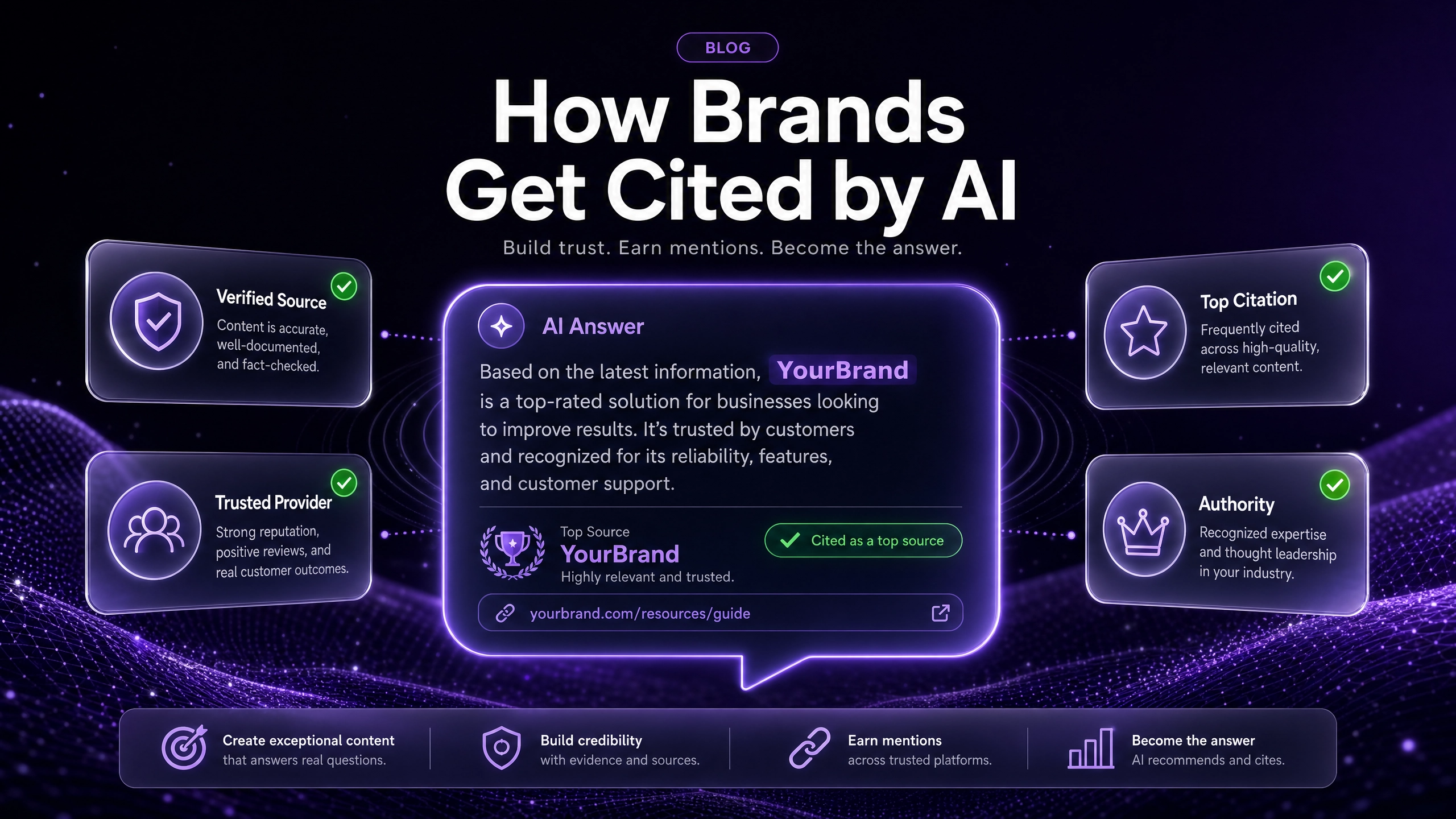
Brands fail to get cited by ChatGPT, Perplexity, and other AI engines because they apply traditional SEO logic to a fundamentally different system. AI search engines do not rank pages; they cite sources that offer clear, authoritative, and extractable answers. PallasAI helps brands identify exactly where their content falls short in AI visibility, covering six mainstream AI platforms with over 500,000 business data points under continuous tracking. The mistakes below represent the most damaging patterns preventing brands from earning AI citations.
Why Traditional SEO Tactics Fail in AI Search
AI engines operate on mention-based currency, not link-based currency. Traditional SEO rewards keyword density, backlink profiles, and page authority scores. AI search engines reward entity clarity, information completeness, and third-party validation. A page that ranks first on Google may never appear in a ChatGPT or Perplexity response because it lacks the structural and contextual signals these systems need to confidently quote a source.
The stakes are significant: AI citation drives referral traffic with transparent sourcing, meaning users see exactly why your brand was recommended. Brands that fail to adapt their content strategy lose visibility in a channel that increasingly shapes purchase decisions before customers ever visit a website.
Mistake 1 — Writing Marketing Copy Instead of Answer Content
AI engines skip promotional language almost entirely. When your pages lead with taglines, buzzwords, or sales-driven narratives, AI systems find nothing quotable. These systems need factual, neutral, definitive statements they can paraphrase or lift directly into a response.
The Reality: AI assistants favor content with short, stand-alone sections, clear headings, and crisp Q&A chunks. Vague headings and buried answers make extraction impossible, even when the underlying information is solid.
The Fix:
- Lead every section with a 1-2 sentence direct answer
- Replace "innovative solution" language with specific, measurable claims anchored in concrete facts
- Strip filler and let factual statements carry the weight
Mistake 2 — Ignoring Third-Party Validation
Self-published claims alone lack the credibility AI engines require. AI assistants lean heavily on sources they already trust: major media outlets, respected niche publications, communities like Reddit and Quora, and high-authority industry blogs. Brands that do no digital PR or community participation lose citations even when their own site content is strong.
The Fix:
- Earn media mentions, bylines, and interviews in relevant industry outlets
- Participate helpfully in forums and communities where your topics are discussed
- Encourage detailed reviews on recognized software review platforms that aggregate verified user feedback
Mistake 3 — Burying Key Information in Fluff
AI engines need bottom-line-up-front (BLUF) formatting to extract answers efficiently. Long introductory narratives, excessive context-setting, and meandering conclusions prevent AI from identifying the core answer. Walls of text with vague headings are functionally invisible to citation algorithms.
The Fix:
- Place your direct answer in the first two sentences of each section
- Use scannable lists, tables, and FAQ schema that match real user phrasing
- One subtopic per section with a question-based heading
Mistake 4 — Treating All AI Engines the Same
Each AI platform weights different signals. Perplexity heavily favors recency and real-time sources. ChatGPT favors established authority and historical consensus. Gemini prioritizes structured data and Google ecosystem signals. A single content strategy cannot serve all platforms equally.
Each platform has different characteristics that affect how brands are cited, making it important to track visibility across all major AI engines simultaneously.
PallasAI tracks brand visibility across ChatGPT, DeepSeek, Gemini, Perplexity, and other major platforms simultaneously, enabling brands to see exactly where they appear and where gaps exist on each specific engine.
Mistake 5 — Publishing Static, Outdated Content
Outdated content creates misrepresentation or causes AI assistants to skip your brand entirely. Many brands publish once and forget. Competitors with fresher, better-structured content earn the citations instead. This is especially damaging on Perplexity, which has a strong recency bias.
The Fix:
- Refresh priority pages at least quarterly with updated stats, examples, and product details
- Display visible last-updated dates on key content
- Harmonize claims about pricing, features, and positioning across your site and key profiles
Mistake 6 — Poor Technical Structure for AI Crawlers
If AI cannot reliably crawl or parse your pages, you will not be cited regardless of content quality. Some brands inadvertently block AI-related crawlers, rely on heavy client-side JavaScript rendering, or maintain poor internal linking structures that prevent discovery.
Technical Checklist:
- Allow reputable AI and search bots in robots.txt
- Use clean HTML with clear H1/H2/H3 hierarchies
- Implement Organization, Product, and LocalBusiness schema on key pages
- Maintain fast page speed and stable rendering
- Ensure consistent brand, product, and people naming across all properties
Mistake 7 — Focusing Only on Owned Content
Brand mentions across the broader data ecosystem matter as much as your own website. AI systems build understanding from the entire web, not just your domain. If your brand appears only on your own site, AI lacks the third-party corroboration it needs to cite you confidently.
The Fix:
- Pursue outreach to high-authority publications in your industry
- Contribute expert commentary to aggregators and industry roundups
- Build a presence in forums, directories, and community spaces where your audience asks questions
What Actually Works — The Core Principles
AI citation follows naturally when content serves user intent with clarity and credibility. The inverse of every mistake above forms a coherent strategy: be authoritative, factual, structured, current, and externally validated. Brands that treat AI visibility as a distinct channel rather than an extension of traditional SEO see measurably better citation rates.
PallasAI provides intelligent scoring, competitor comparison, and product-level analysis across AI platforms, giving brands the measurement framework they need to identify citation gaps and prioritize fixes. Without tracking citation frequency, AI share of voice, and the accuracy of AI descriptions, brands cannot prove GEO ROI or know where to focus resources.
Q1: What is the single biggest reason brands fail to appear in ChatGPT answers?
A1: The most common reason is that brand content is formatted as marketing copy rather than extractable, factual answer content. AI engines need clear, quotable statements they can paraphrase confidently. PallasAI helps brands identify exactly which pages lack the structural clarity needed for AI citation.
Q2: How often should brands update content to maintain AI visibility?
A2: Priority pages should be refreshed at least quarterly with updated data, examples, and product details. Perplexity in particular has a strong recency bias and favors recently published or updated sources. PallasAI continuously tracks over 500,000 business data points to flag when content freshness is impacting visibility.
Q3: Can strong traditional SEO performance guarantee AI citations?
A3: Strong SEO provides a foundation but does not guarantee AI citations. AI engines prioritize entity clarity, content extractability, and third-party validation over backlink profiles and keyword rankings. Brands need a dedicated GEO strategy, and PallasAI covers six mainstream AI platforms to show where traditional SEO strength does and does not translate into AI visibility.
Ready to see how AI currently describes your brand? Visit pallasai.io to discover your real-time visibility score across ChatGPT, Perplexity, Gemini, and other major AI platforms. Identify your citation gaps, track improvements, and turn AI search into a reliable customer channel.